The Rise of Remote Work
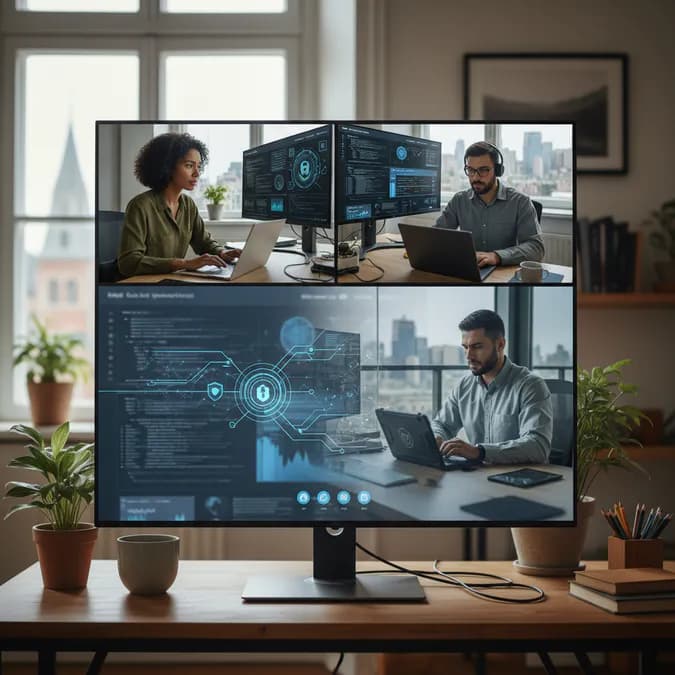
In recent years, especially accelerated by the COVID-19 pandemic, remote work has transitioned from a temporary solution to a long-term strategy for many organizations. Companies across various sectors have embraced flexible working arrangements, allowing employees to work from home or other locations outside traditional office environments. This shift has been driven by several factors, including technological advancements, changing workforce expectations, and the need for businesses to adapt to unforeseen circumstances.
Technological Advancements
The rise of digital communication tools and cloud-based applications has made remote work more feasible than ever. Platforms like Zoom, Microsoft Teams, and Slack have enabled seamless collaboration among teams, regardless of their physical location. As these technologies continue to evolve, they further reduce the necessity for a centralized office space.
Changing Workforce Expectations
Today's workforce values flexibility and work-life balance more than previous generations. Many employees have expressed a preference for remote work options, citing increased productivity and reduced commuting stress. As a result, businesses are recognizing the importance of accommodating these preferences to attract and retain top talent.
Decline in Demand for Office Spaces
The shift towards remote work has led to a significant decline in demand for physical office spaces. Major metropolitan areas, once bustling with activity, are witnessing an increase in vacant office buildings. According to recent reports, vacancy rates in urban centers have surged, leading to a surplus of available office space.
Impact on Office Prices
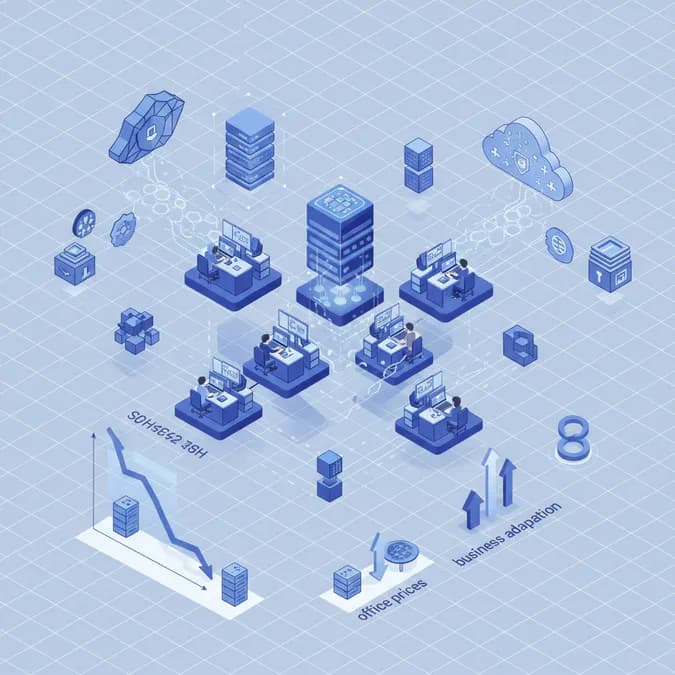
The decline in demand for office spaces has had a direct impact on rental prices. Landlords are facing challenges in filling vacancies, leading to increased competition among property owners. As a result, many are forced to lower rental prices or offer incentives to attract tenants. This trend has been particularly pronounced in cities that were once considered prime locations for businesses.
Long-Term Implications for Commercial Real Estate
The long-term implications of this shift are significant. As businesses reevaluate their real estate needs, many are opting for smaller office spaces or flexible leasing arrangements. Coworking spaces and shared offices are becoming increasingly popular, providing businesses with the flexibility to scale up or down as needed.
What This Means for Businesses
For businesses, the decline in office prices presents both challenges and opportunities. On one hand, companies can benefit from lower rental costs, allowing them to allocate resources to other areas, such as employee benefits or technology investments. On the other hand, businesses must navigate the complexities of hybrid work models and ensure that they maintain a cohesive company culture despite a dispersed workforce.
Adapting to Hybrid Work Models
As organizations adopt hybrid work models, they must consider how to effectively manage a workforce that is split between remote and in-office employees. This includes investing in technology that facilitates collaboration and communication, as well as creating policies that support both remote and in-office work.
Maintaining Company Culture
Maintaining a strong company culture in a remote or hybrid environment can be challenging. Businesses must find innovative ways to foster connections among employees, such as virtual team-building activities, regular check-ins, and opportunities for social interaction. By prioritizing company culture, organizations can enhance employee engagement and productivity.
The Future of Office Spaces
Looking ahead, the future of office spaces is likely to be characterized by flexibility and adaptability. Businesses will continue to rethink their real estate strategies, focusing on creating environments that support collaboration and innovation while accommodating the diverse needs of their workforce.
Redefining Office Spaces
As companies reassess their office needs, there is a growing trend towards designing spaces that prioritize employee well-being and collaboration. This includes incorporating amenities such as wellness rooms, collaborative workspaces, and areas for relaxation. The goal is to create an environment that enhances productivity and fosters creativity.
Embracing Technology
Technology will play a crucial role in shaping the future of office spaces. Businesses will need to invest in smart office solutions that enhance the employee experience, such as advanced booking systems for shared spaces, integrated communication tools, and data analytics to optimize space utilization. By embracing technology, organizations can create a more efficient and effective workplace.
Conclusion
The impact of remote work on office prices is a reflection of a broader shift in how businesses operate and how employees work. As the demand for physical office spaces continues to decline, organizations must adapt to this new reality by reevaluating their real estate strategies and embracing flexible work arrangements. The future of work is here, and businesses that can navigate this transition effectively will be well-positioned for success in the evolving landscape of commercial real estate.
Key Takeaways
- Remote work has become a long-term strategy for many organizations.
- Technological advancements facilitate effective remote collaboration.
- Changing workforce expectations drive the demand for flexible work options.
- The decline in demand for office spaces leads to lower rental prices.
- Businesses must adapt to hybrid work models to maintain productivity.
- Future office spaces will prioritize flexibility and employee well-being.
FAQ
How has remote work affected office prices?
Remote work has led to a decline in demand for physical office spaces, resulting in lower rental prices as landlords compete to fill vacancies.
What are the long-term implications of remote work for businesses?
Businesses are rethinking their real estate needs, often opting for smaller office spaces or flexible leasing arrangements to accommodate a hybrid workforce.
How can companies maintain culture in a remote work environment?
Companies can maintain culture by fostering connections through virtual team-building activities and regular check-ins, ensuring engagement and productivity.
Table of Contents
- The Rise of Remote Work
- Decline in Demand for Office Spaces
- What This Means for Businesses
- The Future of Office Spaces
- Conclusion
- Key Takeaways
- FAQ
For more insights, consider checking authoritative sources such as Forbes and McKinsey for expert opinions and data on the evolving landscape of remote work.