Introduction: The Remote Work Revolution
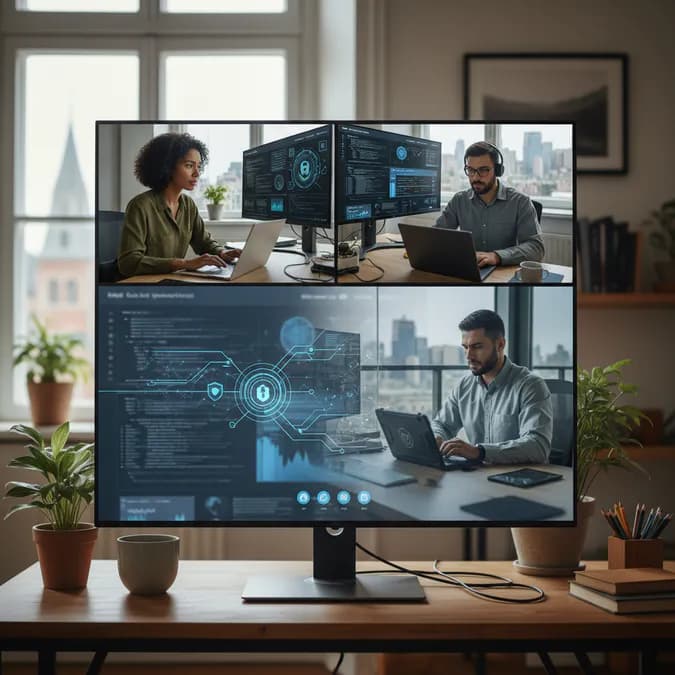
The COVID-19 pandemic has accelerated the adoption of remote work, fundamentally changing the traditional office landscape. As companies transitioned to work-from-home models, many employees discovered the benefits of flexibility and reduced commuting times. This shift has led to a notable decline in the demand for physical office spaces, particularly in major metropolitan areas wher
Decline in Office Space Demand
The demand for office space has plummeted as businesses reassess their needs in light of increased remote work. According to research summarized by the Chicago Booth Review, office values across the U.S. fell by an estimated $557 billion from December 2019 to December 2023 due to changes in post-pandemic demand. Key statistics include:
- 41% decline in office-space demand for companies expecting employees to work in the office only one day per week.
- 90% drop in occupancy in major U.S. office markets from the end of February 2020 to March 2020, illustrating the immediate impact of remote work.
These figures highlight a significant shift in how companies are utilizing office space, with many opting for smaller, more flexible arrangements.
Impact on Metropolitan Real Estate Markets
The structural changes in office demand are having a ripple effect on metropolitan real estate markets. Cities with high concentrations of finance, tech, and professional services—sectors that can more easily sustain remote or hybrid work—are experiencing the most significant impacts. Older office buildings, in particular, are facing steeper declines in value compared to newer, high-quality properties. This trend is evident in the following:
- Landlords are offering more concessions to attract tenants, including reduced rents and flexible lease terms.
- Older buildings are more vulnerable, as companies prioritize modern amenities and flexible layouts that cater to hybrid work environments.
The shift in demand has led to a re-pricing of the office market, with many landlords adjusting their expectations to a permanently lower level of demand rather than viewing it as a temporary pandemic shock.
Commercial Property Price Trends
The decline in demand for office space has led to notable trends in commercial property prices. As companies reduce their long-term office footprints to control costs, the following trends have emerged:
- Increased vacancy rates: Many urban centers are grappling with higher vacancy rates as businesses downsize or eliminate their office spaces altogether.
- Pressure on office values: The cumulative decline in office values has forced landlords to reconsider their investment strategies and property management practices.
- Impact on related markets: Lower office demand is affecting transit ridership, retail foot traffic, and municipal tax revenues, creating a broader economic impact on urban areas.
According to the U.S. Bureau of Labor Statistics, a 1 percentage-point increase in remote workers correlates with a 0.4 percentage-point decrease in unit office building costs growth, further emphasizing the financial implications of remote work on commercial real estate.
Business Adaptation and Space Optimization
As businesses adapt to the new normal, many are re-evaluating their office space needs. The focus has shifted towards flexibility and cost-effectiveness, leading to several key strategies:
- Hybrid work models: Companies are increasingly adopting hybrid work models that allow employees to split their time between home and the office, reducing the need for large, fixed leases.
- Flexible workspace solutions: Businesses are exploring co-working spaces and short-term leases as a way to maintain operational flexibility without committing to long-term contracts.
- Space optimization: Firms are optimizing their office layouts to accommodate collaborative work while minimizing unused space.
These adaptations reflect a broader trend towards a more agile and responsive approach to office space utilization.
Long-term Implications for Urban Centers
The long-term implications of the shift to remote work extend beyond individual businesses and office markets. Urban centers may face several challenges and opportunities:
- Economic diversification: Cities may need to diversify their economies to mitigate the impact of declining office demand, potentially investing in technology, remote services, and other sectors less reliant on physical office space.
- Revitalization of urban areas: With lower demand for office space, there may be opportunities to repurpose vacant buildings for residential or mixed-use developments, contributing to urban revitalization.
- Changes in commuting patterns: As remote work becomes more entrenched, cities may see shifts in transportation needs and urban planning, leading to reduced congestion and changes in public transit funding.
These factors will play a crucial role in shaping the future of urban centers in a post-pandemic world.
Future of Office Real Estate
Looking ahead, the future of office real estate will likely be shaped by ongoing trends in remote work and hybrid models. Key considerations include:
- Sustainability: As businesses prioritize sustainability, office buildings that incorporate green technologies and energy-efficient designs may become more desirable.
- Technology integration: The integration of technology in office spaces will be crucial for facilitating remote collaboration and enhancing employee experiences.
- Market adaptability: The ability of landlords and property managers to adapt to changing tenant needs will be essential for maintaining competitiveness in the evolving market.
These considerations will be vital for the future viability of office real estate.
Case Studies: Major Cities
Several major cities are already experiencing the effects of remote work on their office markets:
- San Francisco: The tech hub has seen a significant decline in office demand, with many companies opting for remote work policies that have led to increased vacancy rates and declining rents.
- New York City: The iconic skyline is facing challenges as businesses reassess their space needs, leading to a shift in leasing patterns and a focus on flexible workspaces.
- Chicago: The Windy City is witnessing a transformation in its commercial real estate landscape, with older buildings struggling to compete against modern, amenity-rich developments.
These case studies illustrate the varying impacts of remote work across different urban centers, highlighting the need for tailored strategies to address local market conditions.
Conclusion
The impact of remote work on office prices and commercial real estate markets is profound and far-reaching. As businesses continue to adapt to new working models, the demand for physical office spaces is likely to remain lower than pre-pandemic levels. This shift presents both challenges and opportunities for urban centers, necessitating a reevaluation of economic strategies and urban planning initiatives. The future of office real estate will depend on the ability of landlords, businesses, and cities to navigate these changes and embrace a more flexible, sustainable approach to work and space utilization.
Sources
- Automated Pipeline
- Remote Work and the Office Market
- Office Vacancy Rate in the United States
- Source: bls.gov
- Source: yourmoneyvehicle.com
- Source: chicagobooth.edu
- Source: harvardfcu.org
- Source: globalworkplaceanalytics.com
- Source: uscareerinstitute.edu
- Source: lpsonline.sas.upenn.edu
- Source: coworkingresources.org