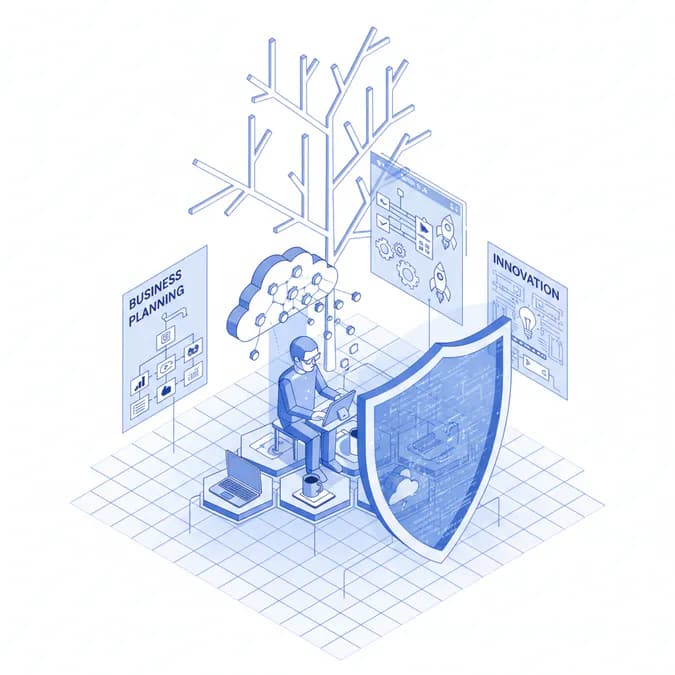
Importance of Cybersecurity
Cybersecurity is not just an IT issue; it is a fundamental aspect of business strategy. According to a report by Cybersecurity Ventures, global cybercrime damages are projected to reach $10.5 trillion annually by 2025, highlighting the urgent need for businesses to bolster their defenses. Companies that neglect cybersecurity risk not only financial losses but also damage

The COVID-19 pandemic has accelerated the shift towards remote work, further exposing businesses to cyber threats. A survey by IBM found that 95% of cybersecurity breaches are caused by human error, underscoring the importance of training employees on security best practices. As businesses increasingly rely on digital tools and platforms, the need for robust cybersecurity measures becomes even more critical.
Strategies for Protection
To effectively protect against growing digital threats, businesses should implement a multi-layered cybersecurity strategy that includes:
- Employee Training: Regular training sessions to educate employees about phishing scams, password management, and safe internet practices can significantly reduce the risk of breaches.
- Regular Software Updates: Keeping software and systems up to date ensures that businesses are protected against known vulnerabilities. Cybercriminals often exploit outdated software to gain access to sensitive data.
- Data Encryption: Encrypting sensitive data adds an extra layer of protection, making it difficult for unauthorized users to access information even if they breach the system.
- Incident Response Plan: Developing a comprehensive incident response plan prepares businesses for potential cyberattacks. This plan should outline steps to take in the event of a breach, including communication strategies and recovery processes.
- Investing in Cybersecurity Tools: Utilizing advanced cybersecurity tools such as firewalls, intrusion detection systems, and antivirus software can help detect and prevent attacks before they cause significant damage.
By adopting these strategies, businesses can create a resilient cybersecurity posture that not only protects their assets but also enhances their overall operational efficiency.
Conclusion
In conclusion, cybersecurity is essential for business continuity and success in the digital age. As cyber threats continue to evolve, companies must remain vigilant and proactive in their cybersecurity efforts. By implementing effective strategies and fostering a culture of security awareness, businesses can protect themselves from the growing risks of cybercrime. Investing in cybersecurity is not just a necessity; it is a strategic imperative for any organization aiming for long-term success.