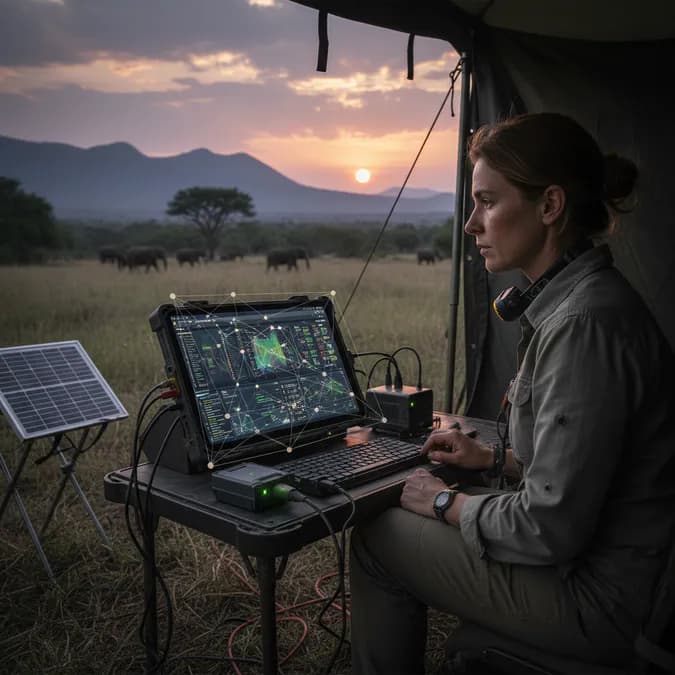
Nicole Montoya, a Wildlife Biologist with a background rooted in science and conservation, exemplifies the often-overlooked business skills inherent in her profession. Her experience with the Bureau of Land Management (BLM) and her education at California State University, Stanislaus, have provided her with a unique skill set applicable far beyond the boundaries of ecological research. This article explores how a Wildlife Biologist's training and experience translate into valuable assets in the broader business world.
The Unexpected Business Acumen of a Wildlife Biologist
While the title "Wildlife Biologist" conjures images of fieldwork, data collection, and environmental stewardship, the reality is that the role demands a surprising degree of business savvy. From managing budgets and resources to negotiating with stakeholders and presenting findings to diverse audiences, Wildlife Biologists often find themselves operating in a complex business environment.
1. Project Management and Resource Allocation
At the heart of any successful wildlife project lies effective project management. Wildlife Biologists are frequently responsible for:
- Planning and executing research projects: This involves defining objectives, developing methodologies, securing funding, and managing timelines.
- Budget management: Allocating resources efficiently, tracking expenses, and ensuring projects stay within budget are crucial responsibilities.
- Team leadership: Coordinating the efforts of field technicians, researchers, and volunteers requires strong leadership and communication skills.
These skills are directly transferable to various business settings, where project management, resource allocation, and team leadership are essential for success.
2. Data Analysis and Strategic Decision-Making
Wildlife Biologists rely heavily on data analysis to inform their decisions. They collect and analyze data on animal populations, habitat conditions, and environmental impacts. This data-driven approach allows them to:
- Identify trends and patterns: Understanding population dynamics and environmental changes is crucial for effective conservation efforts.
- Assess the effectiveness of management strategies: Evaluating the impact of conservation interventions allows for adaptive management and continuous improvement.
- Make informed decisions: Data analysis provides the foundation for evidence-based decision-making, ensuring that conservation efforts are targeted and effective.
In the business world, data analysis is equally critical for understanding market trends, evaluating business performance, and making strategic decisions. The analytical skills honed by Wildlife Biologists are highly valuable in this context.
3. Communication and Stakeholder Engagement
Effective communication is paramount for Wildlife Biologists, who must interact with a diverse range of stakeholders, including:
- Government agencies: Collaborating with agencies like the BLM to implement conservation policies and regulations.
- Private landowners: Negotiating access to land for research and conservation activities.
- Community groups: Engaging with local communities to promote conservation awareness and support.
- The public: Communicating scientific findings to the general public through presentations, reports, and outreach programs.
These interactions require strong communication, negotiation, and interpersonal skills. The ability to build relationships, navigate complex situations, and effectively communicate scientific information is highly valued in the business world.
4. The BLM Experience: A Crucible for Business Skills
Nicole Montoya's experience with the Bureau of Land Management (BLM) likely provided her with ample opportunities to develop these business skills. The BLM manages vast tracts of public land and is responsible for balancing multiple uses, including conservation, recreation, and resource extraction. Working in this environment requires:
- Navigating complex regulatory frameworks: Understanding and complying with environmental laws and regulations is essential.
- Collaborating with diverse stakeholders: Balancing the interests of different user groups requires strong negotiation and conflict resolution skills.
- Managing competing priorities: Prioritizing conservation efforts in the face of competing demands requires strategic thinking and effective resource allocation.
These challenges provide valuable experience in navigating the complexities of the business world.
5. California State University, Stanislaus: Building a Foundation
Nicole Montoya's education at California State University, Stanislaus, likely provided her with a solid foundation in the scientific principles underlying wildlife biology. However, it may have also included coursework in areas such as:
- Environmental policy: Understanding the legal and regulatory framework governing environmental management.
- Natural resource economics: Analyzing the economic value of natural resources and the costs and benefits of conservation efforts.
- Communication and public speaking: Developing the skills to effectively communicate scientific information to diverse audiences.
These courses would have further enhanced her business acumen and prepared her for the challenges of working in a complex and dynamic field.
What This Means
Nicole Montoya's profile highlights the often-unrecognized business skills possessed by Wildlife Biologists. Their training and experience equip them with valuable assets in project management, data analysis, communication, and stakeholder engagement. These skills are highly transferable to various business settings, making Wildlife Biologists valuable assets in the broader business world. Their ability to manage resources, analyze data, communicate effectively, and navigate complex regulatory frameworks makes them well-suited for roles in project management, consulting, and sustainability.
The Bottom Line: The skills honed in wildlife biology are surprisingly relevant and valuable in today's business landscape. Recognizing and leveraging these skills can open doors to diverse career paths and contribute to a more sustainable future.
Key Takeaways
- Wildlife Biologists possess essential business skills that are often overlooked.
- Project management, data analysis, and communication are critical skills in both wildlife biology and business.
- Experience with organizations like the BLM enhances business acumen.
- Education in environmental policy and economics supports their business capabilities.
- These skills are transferable to various business roles, making Wildlife Biologists valuable in the corporate world.
Frequently Asked Questions (FAQ)
What are the key business skills of a Wildlife Biologist?
Key business skills include project management, data analysis, communication, and stakeholder engagement.
How does a Wildlife Biologist apply their skills in the business world?
They apply their skills in project management, resource allocation, and strategic decision-making in various business settings.
Why are Wildlife Biologists valuable in business roles?
Their unique combination of scientific knowledge and business skills makes them effective in roles that require both analytical and interpersonal abilities.
Table of Contents
- The Unexpected Business Acumen of a Wildlife Biologist
- Project Management and Resource Allocation
- Data Analysis and Strategic Decision-Making
- Communication and Stakeholder Engagement
- The BLM Experience: A Crucible for Business Skills
- California State University, Stanislaus: Building a Foundation
- What This Means
- Key Takeaways
- Frequently Asked Questions (FAQ)