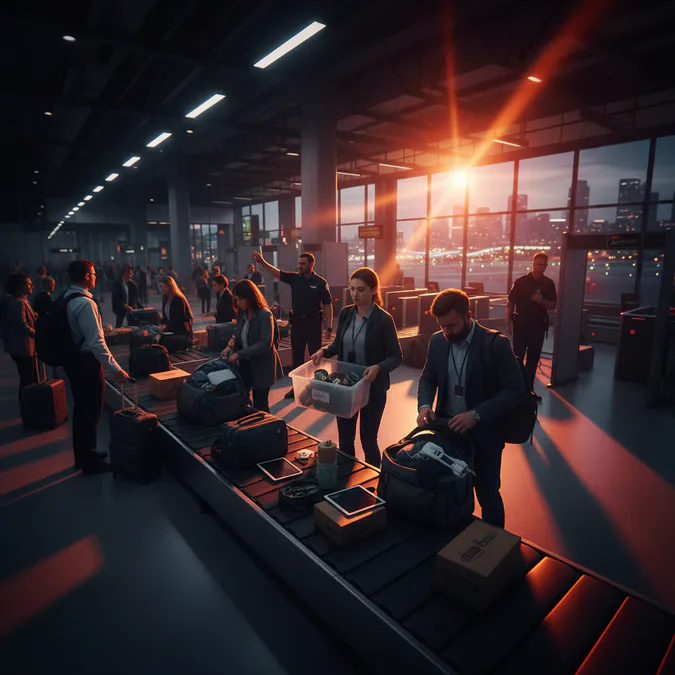
I travel 100+ times a year for work and have an established airport routine. Here's my advice for handling the TSA chaos.
Master airport security with proven TSA tips for business travelers. Learn how to breeze through checkpoints, pack strategically, and reduce travel stress.
For frequent business travelers, airports are practically a second home. But even the most seasoned road warriors can find themselves thrown off course by unpredictable delays and ever-changing security protocols. Recent TSA challenges have made air travel even more stressful, requiring a proactive approach to maintain efficiency and minimize disruptions. Understanding and implementing proven TSA tips can transform your airport experience from chaotic to seamless.
Heather Wagenknecht, a business traveler who flies over 100 times a year, has developed a finely tuned system for navigating airports. Her insights offer valuable guidance for anyone looking to streamline their travel experience and avoid unnecessary headaches at the TSA checkpoint. This comprehensive guide explores proven strategies and provides actionable TSA tips to help you handle security checkpoints like a pro.
Preparation is paramount: Knowing what to expect and preparing accordingly is the first step to a stress-free airport experience. Research shows that travelers who plan ahead experience significantly fewer delays.
Enroll in trusted traveler programs: TSA PreCheck and Global Entry can significantly reduce wait times and
streamline the security process, often cutting screening time in half.
Pack strategically: Proper packing can prevent delays and avoid triggering additional screening. Following the 3-1-1 liquid rule and knowing prohibited items are critical.
Stay informed: Keeping up-to-date on TSA regulations and airport conditions is crucial for adapting to unexpected changes. Use the TSA website and airport apps for real-time information.
Maintain a positive attitude: A calm and patient demeanor can make the entire experience more manageable and help you navigate unexpected situations with confidence.
Understanding the Challenges at TSA Checkpoints
The Transportation Security Administration (TSA) plays a critical role in ensuring the safety of air travel. However, increased passenger volume, staffing shortages, and evolving security threats can lead to congestion and delays at airport checkpoints. Understanding the factors that contribute to these challenges can help travelers better prepare for potential disruptions and implement effective TSA tips for smoother passage.
Increased passenger volume: As air travel continues to rebound, TSA checkpoints are experiencing higher passenger volumes, leading to longer wait times. Industry data indicates that peak travel periods can see wait times increase by 200-300%.
Staffing shortages: Like many industries, the TSA has faced staffing challenges, which can exacerbate delays during peak travel periods. Adequate staffing levels are essential for maintaining efficient security screening.
Evolving security threats: The TSA must constantly adapt its security protocols to address emerging threats, which can sometimes result in more stringent screening procedures and additional passenger delays.
Complex regulations: TSA regulations can be complex and confusing, leading to unintentional violations and delays. Staying informed about current rules is essential for all travelers.
7 Essential TSA Tips for Business Travelers
1. Enroll in TSA PreCheck or Global Entry
One of the most effective ways to expedite the security process is to enroll in a trusted traveler program like TSA PreCheck or Global Entry. These programs allow pre-approved travelers to go through expedited screening lanes, which typically have shorter wait times and less stringent requirements. For example, TSA PreCheck members don't have to remove their shoes, belts, or light jackets, and they can keep their laptops and liquids in their bags. The TSA PreCheck program costs $78-85 for five years, making it an excellent investment for frequent business travelers. Global Entry, which includes TSA PreCheck benefits, costs $100 for five years and provides additional benefits for international travel.
2. Pack Strategically to Minimize Delays
Proper packing is crucial for avoiding delays at the TSA checkpoint. Strategic packing is one of the most important TSA tips for ensuring a smooth screening process. Follow these guidelines to streamline your airport experience:
Know the liquid rules: The TSA's 3-1-1 rule limits the amount of liquids, gels, and aerosols that can be carried in a carry-on bag. Each item must be in a travel-sized container that is 3.4 ounces (100 milliliters) or less, and all items must fit in a single, quart-sized, clear plastic bag. This rule applies to items like shampoo, conditioner, toothpaste, lotion, and other similar products.
Pack electronics properly: Place laptops and other large electronics in an easily accessible location so they can be quickly removed for screening. Tablets and e-readers should also be readily accessible, as they may need to be screened separately.
Avoid packing prohibited items: Familiarize yourself with the TSA's comprehensive list of prohibited items and ensure that you don't accidentally pack anything that could trigger additional screening. Common prohibited items include sharp objects, tools, and certain sporting equipment.
Use packing cubes: Organize your belongings with packing cubes to make items easy to locate and remove if needed during screening.
3. Dress for Success at the Airport
What you wear can significantly impact your experience at the TSA checkpoint. Choose clothing and accessories that are easy to remove and don't contain metal components that could set off the metal detector. Consider wearing slip-on shoes to speed up the removal process, avoiding belts with large buckles that may trigger alarms, and leaving jewelry at home or in your carry-on bag. Comfortable, practical clothing choices can reduce screening time and make the entire process more efficient. Avoid wearing multiple layers that require extensive removal, and opt for clothing made from materials that don't contain hidden metal components.
4. Arrive Early to Account for Potential Delays
It's always a good idea to arrive at the airport early, especially during peak travel periods. This will give you plenty of time to navigate the security checkpoint and deal with any unexpected delays without feeling rushed. For domestic flights, arriving 2 hours early is generally recommended, while international flights may require 3 hours. Arriving early also provides a buffer for unexpected situations and allows you to maintain a calm, positive demeanor throughout the screening process.
5. Stay Informed About TSA Regulations and Airport Conditions
Before heading to the airport, check the TSA website or official TSA mobile app for the latest regulations and security alerts. You can also use airport websites or apps to monitor wait times and get real-time updates on airport conditions. The TSA provides regular updates on security procedures, prohibited items, and travel advisories. Following official TSA channels ensures you have accurate, current information about security requirements and can adjust your travel plans accordingly.
6. Be Prepared to Remove Items from Your Bag
Even if you've packed carefully, you may still be asked to remove items from your bag for additional screening. Be prepared to comply with TSA officers' instructions and remain calm and cooperative throughout the process. Having your bag organized makes this process faster and easier. Keep your liquids bag easily accessible, place electronics on top of your belongings, and be ready to remove shoes and accessories if requested. Cooperation and patience during secondary screening can actually speed up the process.
7. Maintain a Positive Attitude
Navigating airport security can be stressful, but maintaining a positive attitude can make the experience more manageable and pleasant. Remember that TSA officers are there to ensure your safety and the safety of all passengers. Being polite and cooperative can go a long way in facilitating a smooth screening process. A positive demeanor helps you stay calm under pressure and can actually improve your interactions with security personnel, potentially leading to a faster, more efficient screening experience.
Frequently Asked Questions About TSA Tips
What is the best time to arrive at the airport for domestic flights?
For domestic flights, the TSA and airlines recommend arriving at least 2 hours before your scheduled departure time. This allows sufficient time to check in, go through security screening, and reach your gate without rushing. During peak travel periods like holidays or weekends, arriving even earlier (2.5-3 hours) is advisable.
Can I bring a water bottle through TSA security?
You cannot bring a full water bottle through TSA security, as liquids are restricted to 3.4 ounces (100 milliliters) per container. However, you can bring an empty water bottle through security and fill it at a water fountain or refill station after passing the checkpoint. Many airports now have dedicated water bottle refill stations for traveler convenience.
How much does TSA PreCheck cost and how long is it valid?
TSA PreCheck costs $78-85 and is valid for five years. The program allows eligible travelers to use expedited security lanes at participating airports, keeping shoes, belts, and light jackets on during screening. For frequent business travelers, the cost is quickly offset by time savings and reduced travel stress.
What items are prohibited in carry-on luggage?
Prohibited items in carry-on luggage include sharp objects (knives, box cutters), tools, sporting equipment, firearms, explosives, and certain liquids exceeding 3.4 ounces. The TSA website provides a comprehensive list of prohibited items. When in doubt, check the TSA's "What Can I Bring?" tool on their official website.
Are there any TSA tips for traveling with medications?
Medications in pill or solid form are generally allowed in carry-on and checked luggage without restrictions. Liquid or gel medications (like insulin or liquid antibiotics) are permitted in reasonable quantities exceeding the 3.4-ounce limit if they are declared to TSA officers. Keep medications in their original labeled containers and be prepared to declare them during screening.
Can I use TSA PreCheck for international flights?
TSA PreCheck benefits apply to domestic flights and the U.S. portion of international flights. For additional benefits on international travel, consider enrolling in Global Entry, which includes TSA PreCheck privileges and provides expedited customs screening upon return to the United States.
What should I do if I accidentally pack a prohibited item?
If you discover a prohibited item during security screening, inform the TSA officer immediately. Depending on the item, you may be able to return it to your vehicle, mail it, or dispose of it. Being honest and cooperative with TSA officers is always the best approach.
The Bottom Line
Navigating TSA checkpoints can be a challenge, but by following these proven TSA tips, business travelers can minimize stress, save time, and stay productive on the go. Preparation, strategic packing, and a positive attitude are key to a smooth and efficient airport experience. Enrolling in trusted traveler programs like TSA PreCheck, staying informed about current regulations, and dressing appropriately can significantly reduce security screening time. Remember that TSA officers are working to keep all travelers safe, and cooperation and courtesy make the process smoother for everyone. By implementing these TSA tips consistently, you'll transform airport security from a source of anxiety into a manageable part of your business travel routine. Start with one or two strategies and gradually incorporate additional tips into your travel routine for maximum efficiency and reduced travel stress.
Discover how EDA grants are driving local business growth, especially in Opportunity Zones and Sonoma County, with essential insights and opportunities.
Discover the best shared office spaces in Wellesley, MA, based on recent Yelp reviews. This guide highlights top coworking options like Natick CoWorking and LocalWorks, offering flexible solutions for freelancers, startups, and remote teams in 2026.