
Table of Contents

- Suburban Coworking Expansion: TailoredSpace's Strategic Growth Move
- Understanding the Suburban Coworking Shift
- TailoredSpace's Strategic Positioning in the Market
- Historic Setting Advantages
- Market Trends in Flexible Workspace Solutions
- Modern Coworking Amenities and Services
- Community Impact and Local Economic Development
- Industry Growth and Future Outlook
- Competitive Landscape in Suburban Markets
- Key Takeaways
- FAQ
Suburban Coworking Expansion: TailoredSpace's Strategic Growth Move
The suburban coworking market continues to experience significant growth as companies and independent professionals seek flexible workspace alternatives outside traditional downtown cores. TailoredSpace, a prominent operator in the flexible workspace sector, has announced the opening of its first new location of 2026, marking an important milestone in the company's expansion strategy
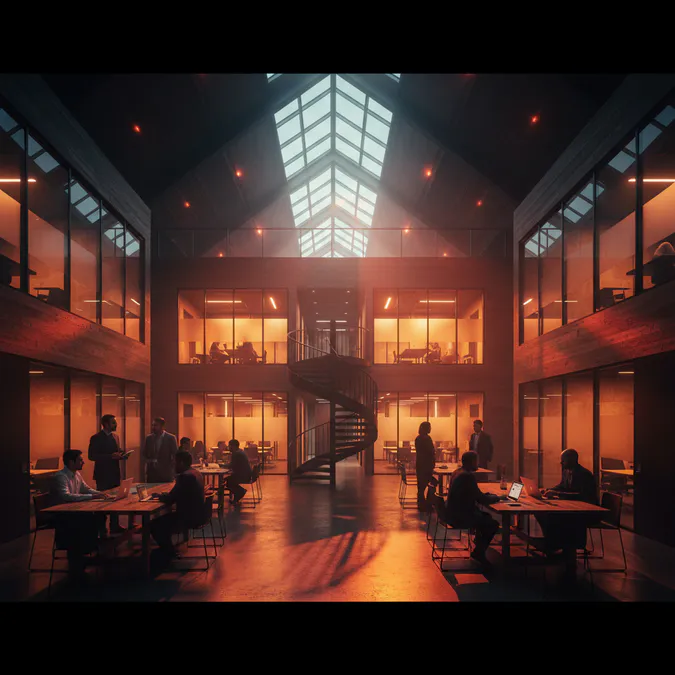
Understanding the Suburban Coworking Shift
The coworking industry has undergone substantial transformation over the past several years. While early coworking spaces concentrated heavily in major metropolitan areas and urban business districts, the landscape has evolved considerably. Today, suburban coworking operators are capitalizing on several key market dynamics that make these locations increasingly attractive to businesses and professionals.
Suburban areas offer distinct advantages that appeal to both established companies and freelancers. Lower real estate costs compared to urban centers allow operators to provide more spacious facilities at competitive pricing. Additionally, suburban locations often feature ample parking, easier commutes for local professionals, and proximity to residential areas where many remote workers and entrepreneurs reside.
TailoredSpace's Strategic Positioning in the Market
TailoredSpace has established itself as a significant player in the suburban coworking segment. The company's focus on suburban markets distinguishes it from many competitors who maintain primary concentrations in urban environments. By targeting these secondary markets, TailoredSpace addresses a growing segment of professionals who prefer working closer to home without sacrificing access to professional amenities and collaborative environments.
The opening of this new 11,830-square-foot location demonstrates the company's confidence in continued demand for flexible workspace solutions. The size of the facility suggests a comprehensive offering that likely includes private offices, open desk areas, meeting rooms, and common spaces designed to foster professional interaction and networking.
Historic Setting Advantages
The decision to locate this new coworking space in a historic suburban setting carries particular significance. Historic neighborhoods often feature distinctive architecture, established community infrastructure, and strong local business ecosystems. These characteristics can enhance the appeal of a coworking facility by providing an inspiring work environment that differs from typical modern office parks.
Historic buildings and neighborhoods also frequently benefit from revitalization initiatives and community investment, which can contribute to the long-term viability and desirability of a location. For professionals seeking workspace with character and community connection, a historic suburban setting offers unique advantages over sterile corporate environments.
Market Trends in Flexible Workspace Solutions
The expansion of suburban coworking operations reflects broader trends in how businesses and professionals approach work arrangements. The normalization of remote work, accelerated by recent global events, has fundamentally altered workplace expectations. Many companies now embrace hybrid models that combine remote work with periodic office presence, reducing the need for large, centralized headquarters.
Independent professionals, freelancers, and small business owners represent another significant market segment driving coworking demand. These professionals require professional workspace without the commitment and expense of traditional office leases. Suburban coworking facilities provide ideal solutions by offering flexibility, affordability, and access to professional amenities.
Medium-sized companies also increasingly utilize coworking spaces for satellite offices, project-based work, or temporary expansion needs. This flexibility allows businesses to scale their physical workspace requirements without long-term lease obligations.
Modern Coworking Amenities and Services
Contemporary coworking facilities have evolved far beyond simple desk rental arrangements. Modern spaces typically include comprehensive amenities designed to support productive work and professional development. High-speed internet connectivity, professional meeting facilities, and ergonomic workstations form the foundation of most offerings.
- High-speed internet and technology infrastructure
- Private offices and dedicated desk options
- Professional meeting and conference rooms
- Common areas for collaboration and networking
- Business support services and administrative assistance
- Professional development workshops and events
- Access to specialized equipment and resources
Beyond basic infrastructure, many coworking operators provide value-added services including business networking events, professional development workshops, administrative support, and access to specialized equipment. These services create community and provide opportunities for members to expand their professional networks and skill sets. The 11,830-square-foot TailoredSpace location likely incorporates many of these contemporary amenities, designed to appeal to diverse professional needs and work styles.
Community Impact and Local Economic Development
The opening of new coworking facilities in suburban areas carries implications beyond individual business operations. These spaces contribute to local economic development by attracting professionals and entrepreneurs to communities, supporting local service providers, and creating employment opportunities.
Coworking spaces often become community hubs that foster entrepreneurship and small business development. By providing affordable, flexible workspace, these facilities lower barriers to entry for aspiring entrepreneurs and support the growth of early-stage companies. This ecosystem development can have positive ripple effects throughout local economies.
The location in a historic suburban setting may also contribute to neighborhood revitalization efforts, bringing new activity and investment to established areas while preserving their character and heritage.
Industry Growth and Future Outlook
The coworking industry continues to demonstrate resilience and growth potential despite market fluctuations. Industry analysts project continued expansion of flexible workspace offerings, particularly in secondary markets and suburban locations. The diversification of coworking operators and their geographic reach suggests a maturing industry moving beyond early-stage concentration in major metropolitan areas.
TailoredSpace's decision to expand with a new location in 2026 reflects confidence in sustained demand for suburban coworking solutions. As more companies adopt hybrid work models and more professionals embrace flexible work arrangements, the addressable market for coworking facilities continues to expand.
Competitive Landscape in Suburban Markets
The suburban coworking market features competition from both established national operators and local, independent providers. This competitive environment drives innovation in facility design, service offerings, and pricing models. Operators must differentiate themselves through superior amenities, exceptional customer service, strategic locations, and community engagement.
TailoredSpace's focus on suburban markets and historic settings represents a deliberate differentiation strategy. By targeting specific geographic and demographic segments, the company positions itself to serve particular professional communities effectively.
Key Takeaways
TailoredSpace's opening of its first new location in 2026 represents a significant development in the suburban coworking sector. The 11,830-square-foot facility in a historic suburban setting demonstrates continued confidence in flexible workspace demand outside urban centers. This expansion aligns with broader industry trends toward decentralization and the growing acceptance of hybrid and remote work arrangements.
The facility's location in a historic neighborhood adds distinctive character while serving local professionals and entrepreneurs. As the coworking industry matures and expands geographically, suburban operators like TailoredSpace are well-positioned to capture growing demand from professionals seeking flexible, affordable, and community-oriented workspace solutions.
For businesses, entrepreneurs, and professionals in suburban areas, the availability of modern coworking facilities closer to home represents an important development that supports diverse work arrangements and professional growth. TailoredSpace's expansion demonstrates the ongoing viability and attractiveness of the suburban coworking market.
FAQ
What is suburban coworking?
Suburban coworking refers to flexible workspace solutions located in suburban areas, providing professionals and businesses with access to modern amenities outside urban centers.
Why is suburban coworking growing?
The growth is driven by the demand for flexible work arrangements, lower real estate costs, and the desire for easier commutes and community connections.
What amenities do suburban coworking spaces offer?
Suburban coworking spaces typically offer high-speed internet, private offices, meeting rooms, and community events, catering to diverse professional needs.
How does suburban coworking impact local economies?
These facilities attract professionals, support local businesses, and create job opportunities, contributing to overall economic development in suburban areas.
What is the future outlook for suburban coworking?
Industry analysts project continued growth in suburban coworking as more professionals embrace flexible work arrangements and companies adopt hybrid models.