Key Takeaways

Remote work has surged, especially post-pandemic, with libraries becoming crucial workspaces. Sonoma County's libraries are adapting to support remote professionals with enhanced services and resources.
The Rise of Remote Work
Remote work has become a significant aspect of the modern workforce, especially following the COVID-19 pandemic. According to the Public Policy Institute of California, U.S. workers now spend about 27% of their workdays at home, a dramatic increase from just 5% before 2020. In California, approximately 17% of workers, or about 3.2 million people, typically work remotely, surpassing the national average of 15% [Public Policy Institute of California]. Sonoma County reflects this trend, with 20.6% of its 232,502 workers engaged in remote work, ranking it among the highest in the state.
The shift towards remote work has not only changed where people work but also how they interact with their communities. As remote work continues to evolve, libraries are stepping up to meet these new demands.
Libraries as Workspaces
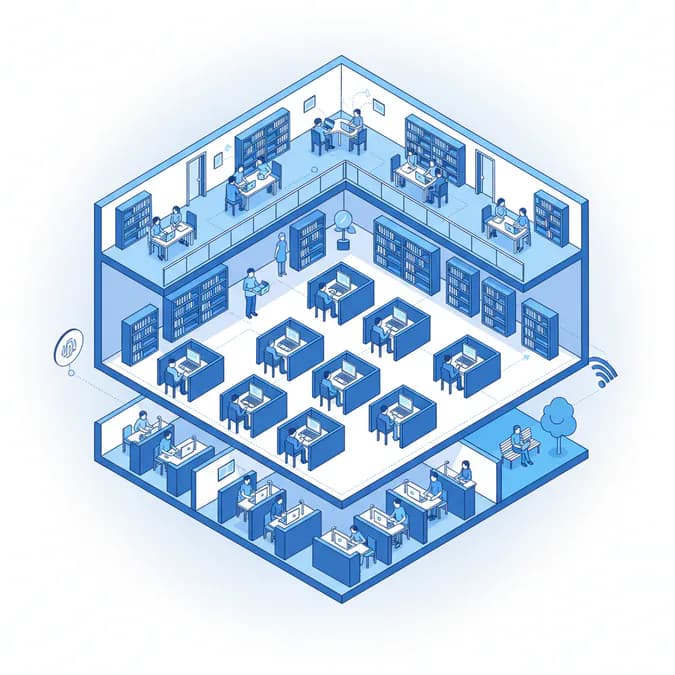
Public libraries are increasingly recognized as vital 'third spaces' for remote workers. These institutions provide free access to Wi-Fi, power outlets, and a quiet atmosphere, making them ideal for professionals who may not have suitable work environments at home. The Sonoma County Library has been proactive in this shift, adding reservable desks, extending business hours, and even offering coffee services to enhance the working experience for its patrons [Sonoma County Library]. This transformation is particularly relevant in light of rising housing costs, which can limit options for remote workers seeking comfortable and productive workspaces.
Libraries are not just about books anymore; they are evolving into multifunctional spaces that cater to the needs of remote workers. As noted by industry experts, "Libraries are becoming essential hubs for remote work, providing the infrastructure that professionals need to thrive." This evolution underscores the importance of libraries in supporting the remote workforce.
Community Impact
The adaptation of libraries to serve as workspaces is not just a response to the needs of remote workers; it also highlights the evolving role of libraries in the community. As unemployment rates in Sonoma County remain low at 4.7% as of Q3 2025 [Sonoma County EDC Job Market Tracker], the demand for flexible work arrangements is likely to persist. Libraries are stepping up to fill this gap, supporting economic stability and fostering a sense of community among remote workers.
The community impact of libraries as workspaces extends beyond just providing a place to work. They also offer networking opportunities and resources that can help remote workers connect with local businesses and services.
Key Takeaways
- Remote work is a lasting trend, reshaping how and where we work.
- Libraries are adapting to become essential workspaces for remote professionals.
- Sonoma County libraries are enhancing their services to support the remote workforce.
- The community benefits from libraries' transformation into workspaces, fostering economic stability.
FAQ Section
Q: How have libraries adapted to support remote workers?
A: Libraries have added reservable desks, extended hours, and provided amenities like Wi-Fi and coffee services to create conducive work environments.
Q: What percentage of Sonoma County workers are engaged in remote work?
A: Approximately 20.6% of Sonoma County's 232,502 workers are engaged in remote work, making it one of the highest rates in California.
Q: Why are libraries considered 'third spaces'?
A: Libraries are termed 'third spaces' because they provide a neutral, accessible environment outside of home and work, fostering community interaction and collaboration.
Conclusion
The trend of remote work is here to stay, and public libraries are adapting to meet the changing needs of the workforce. In Sonoma County, libraries are not just repositories of books; they are becoming essential workspaces that provide the resources and environment necessary for productivity. As remote work continues to shape our professional lives, the role of libraries as community hubs will only grow in importance, reflecting broader societal shifts towards flexibility and accessibility in the workplace.