Historical Context
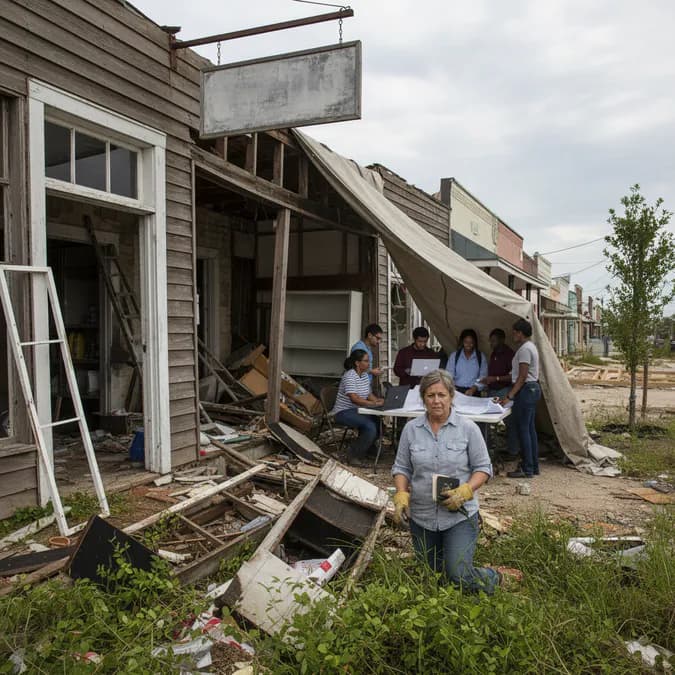
Hurricane Katrina made landfall on August 29, 2005, near New Orleans, Louisiana, causing catastrophic flooding due to levee failures and storm surges. The disaster led to the destruction of over 200,000 homes and left a lasting mark on the region's economy. The storm disrupted critical industries, including oil and gas production, where 19% of U.S. oil output was affected, and tourism, resulting in a staggering 95,000 job losses in New Orleans alone within the first ten months following the hurricane.
Economic Impact Analysis
The economic fallout from Hurricane Katrina was profound, with initial damages estimated at $125 billion, later adjusted to $225 billion in 2024 dollars. The storm's impact on businesses was immediate and severe:
- 95,000 jobs lost in New Orleans, equating to $2.9 billion in lost wages.
- National gas prices surpassed $3 per gallon for the first time due to disruptions in Gulf Coast oil and gas supplies.
- Businesses in the hardest-hit counties experienced a drop in payment reliability to suppliers by over 4%, leading to job cuts and closures.
According to a study by the Alliance Manchester Business School, the long-term effects included a 20% reduction in the New Orleans metro area population, which has continued to impact economic output and insurance exposures. Research indicates that the economic impact of Hurricane Katrina has shaped disaster response strategies in subsequent events.
Lessons for Businesses Today
As we reflect on the lessons learned from Hurricane Katrina, businesses can adopt several strategies to enhance resilience against future disasters:
- Effective Cash Flow Management: In a fast-moving economy, companies must manage their cash flows effectively. Punctual payments not only enable businesses to meet their obligations but also directly affect their credit scores and borrowing capacity, as noted by Professor Ning Gao.
- Emergency Funding Access: Faster access to emergency funding can help mitigate the financial impact of disasters. Businesses should establish relationships with financial institutions to ensure quick access to capital when needed.
- Resilient Supply Chains: Developing more resilient supply chains can prevent payment delays from escalating into job losses and business failures. This includes diversifying suppliers and investing in technology for better supply chain visibility.
- Disaster Planning: Comprehensive disaster planning is essential. Businesses should regularly review and update their disaster recovery plans to address potential vulnerabilities.
In conclusion, Hurricane Katrina serves as a stark reminder of the economic vulnerabilities that businesses face during natural disasters. By learning from the past and implementing effective strategies, companies can better prepare for future challenges and ensure their long-term sustainability.
Key Takeaways
The economic impact of Hurricane Katrina highlights the importance of preparedness and resilience in business operations. Key lessons include the necessity of effective cash flow management, the importance of emergency funding access, the need for resilient supply chains, and the value of comprehensive disaster planning.
FAQ
What was the economic impact of Hurricane Katrina?
Hurricane Katrina caused an estimated $225 billion in damages, significantly affecting the economy of New Orleans and surrounding areas.
How can businesses prepare for natural disasters?
Businesses can prepare by managing cash flows effectively, establishing emergency funding access, developing resilient supply chains, and creating comprehensive disaster recovery plans.
What lessons can be learned from Hurricane Katrina?
Key lessons include the importance of financial preparedness, the need for robust supply chains, and the necessity of ongoing disaster planning.
Sources
- The University of Manchester [via SearchAPI]
- The Economic Impact of Hurricane Katrina on Its Victims
- Louisiana Hurricanes: Impact on Economy
- Hurricane Katrina's Economic Legacy for Businesses Today
- Repeat of Hurricane Katrina today would cost insurers nearly $100bn
- Hurricane Katrina: a watershed event for insurance
- Source: brookings.edu